8 Sept 2026
How to replace paper stamp cards with a digital loyalty programme in your café
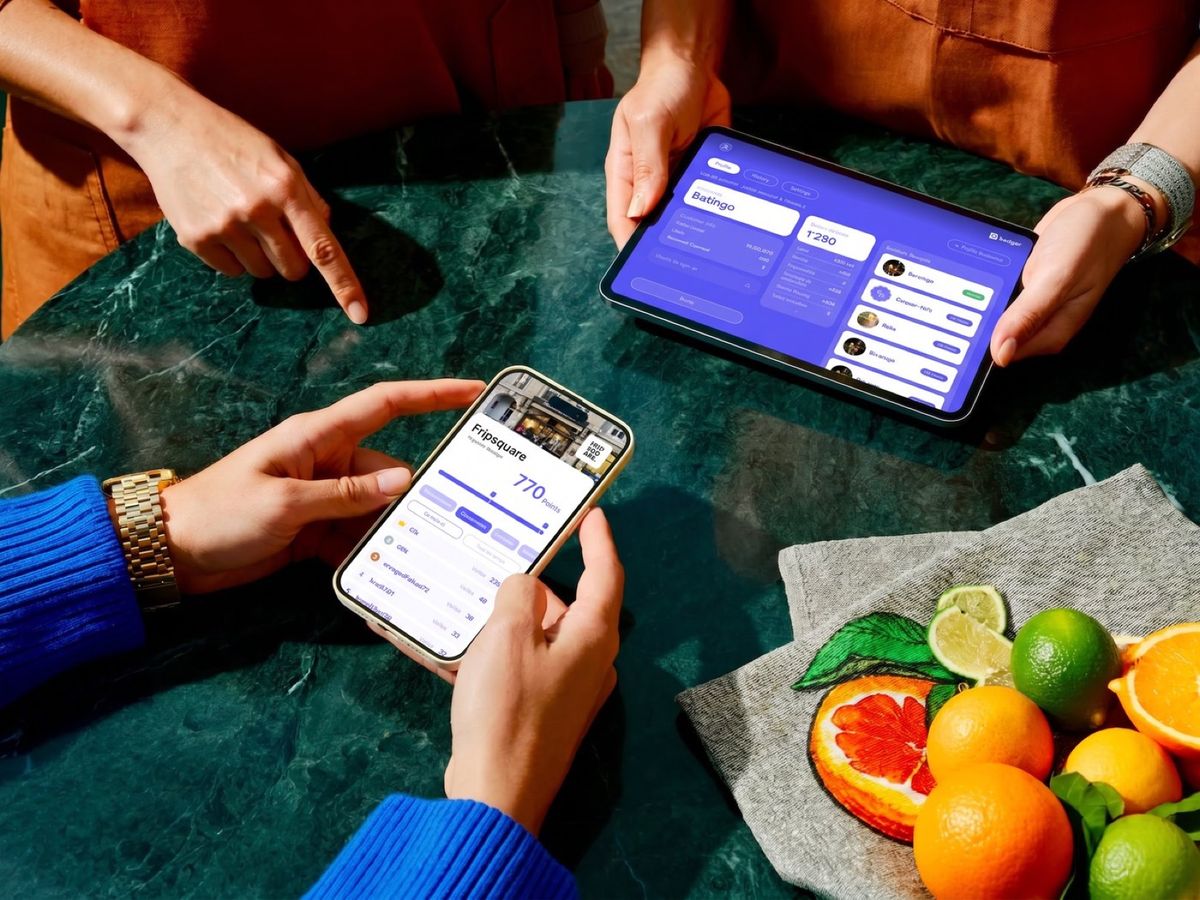
The paper stamp card has one great quality: everyone understands it. It also has three faults every café knows by heart. It gets lost. It stays at home on the day it would have been full. And it tells you nothing: you know you handed out two hundred cards this quarter, not how many came back or who holds them.
Going digital is not "getting an app". It is choosing a mechanism, then organising the switch so your regulars notice nothing except a queue that moves.
What the cardboard really costs
Printing is the most visible cost and the least important one. What matters is what the card does not do.
- It measures nothing. You do not know who comes back, how often, or what a regular spends compared with a passer-by.
- It rewards the visit, not the basket. An espresso and a cappuccino with a croissant earn the same stamp.
- It stops at the till. No way to tell your customers about a new roaster, a brunch, a summer closure.
- It has to be reordered. Every three months, the same chore: print, hand out, explain.
The four ways to go digital
There is no single "digital card". There are four families, and they are not equal for a café.
- A stamp card in the Wallet. The customer adds a pass to Apple Wallet or Google Wallet; your team stamps it with an app or a tap device. Simple, no app for the customer, but still the stamp logic: one visit, one stamp.
- A loyalty app. The customer installs an app, collects points, sees rewards. Richer (points on the amount, notifications, history), at the price of a download.
- Loyalty built into the till. Some POS systems ship their own programme, often tied to a phone number. Zero friction if your till is that brand, and nothing at all otherwise.
- A network of businesses. One app shared by many businesses in a region. The customer installs nothing new for you because they already have it for the café next door, and you appear on their map from day one. This is Badger's model in French-speaking Switzerland.
Three decisions to make before switching
Stamps or points? A stamp rewards the visit. Points reward the amount: a customer who takes two coffees and a pastry is rewarded more than one who takes an espresso. For a café, points lift the average ticket; stamps are easier to read. Both are defensible, but you have to choose.
Who makes the gesture? The customer shows a code and staff scan it, or the customer stamps themselves on a device, or the till credits automatically. The fewer gestures at the counter at 8 a.m., the better.
What happens to cards in progress? A customer at seven stamps out of ten must lose nothing. Plan to credit the equivalent at sign-up, for a month.
The one-week plan
- Monday. Set your rewards and their thresholds. A free coffee at so many points, a pastry higher up. You can change them later with nothing to reprint.
- Tuesday. One sentence for the team, not a training session: "Do you have the app? Show me your code." Nothing else to explain; the balance and the rewards are in the customer's phone.
- Wednesday. A small stand at the counter with the install QR code. No A3 poster.
- Thursday and Friday. Every customer who pulls out a paper card is offered the transfer: their stamps become points, the card goes to recycling.
- The following month. You still honour paper cards. After that, you stop handing them out.
What changes afterwards
The first thing you see is who comes back. The second is how often: across the businesses in the Badger network, a loyal customer returns several times a month on average. The third is a channel: when you open the terrace or launch a brunch, you tell the people who have already been, without going through a social network.
The questions we get asked
Will my older customers follow? Those with a smartphone, yes: there is only a code to show. For the others, keep a few paper cards for the first month. They are fewer than you think.
Does it slow down service? A two-second scan when paying. That is faster than looking for a card in a wallet.
Do I need hardware? No. The phone or tablet at the counter is enough. With a connected till there is no scan at all.
What about the points of a customer who stops coming? With Badger they expire after twelve months without a visit, and every visit pushes that date back for the whole balance. A regular never loses anything.
If your café is in French-speaking Switzerland, the simplest next step is to see what it would look like with your prices and your counter: book a twenty-minute demo.